Skip to content
+41 71 313 91 00

HORTUS, Allschwil

House of Research, Technology, Utopia and Sustainability

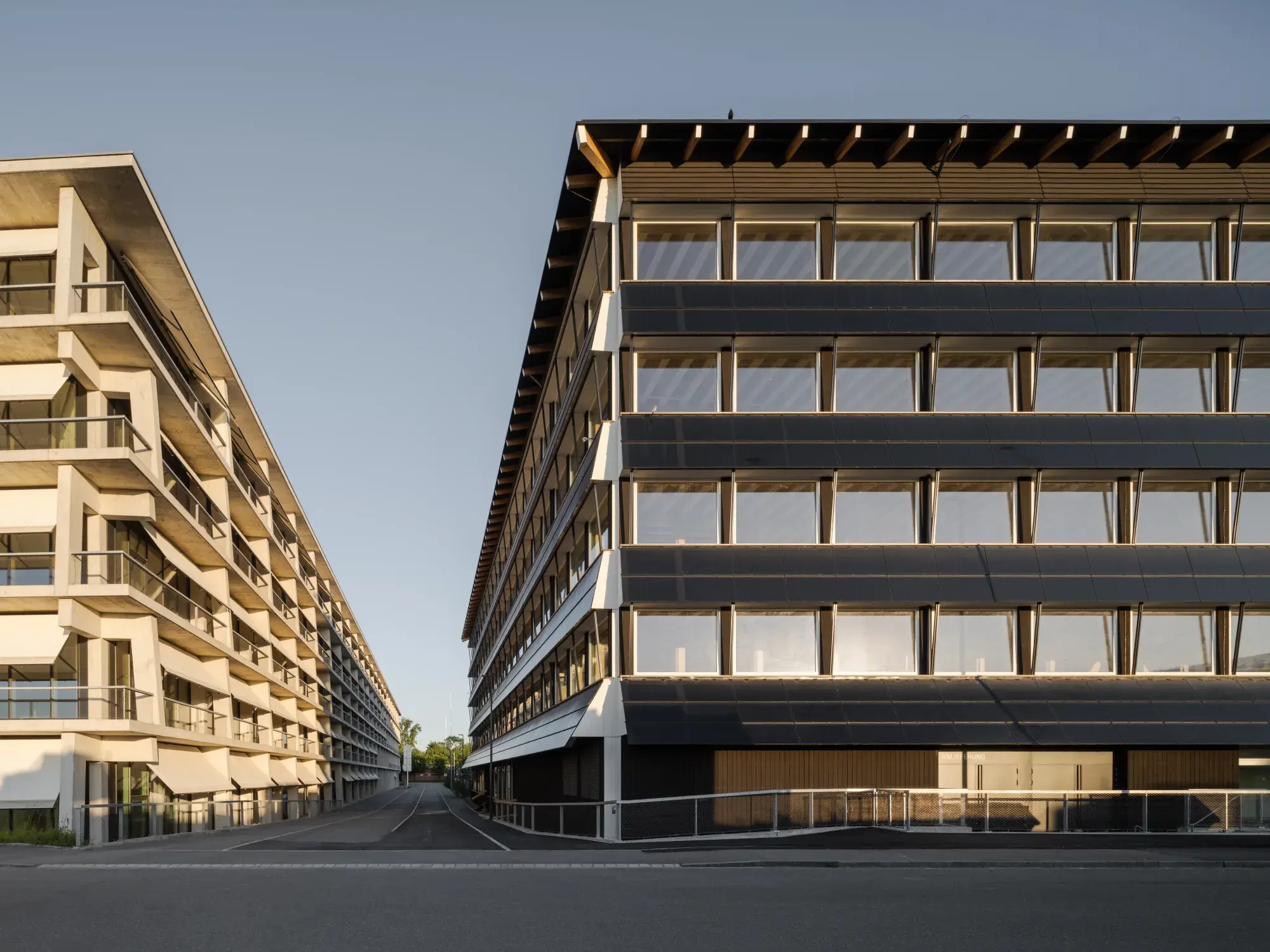
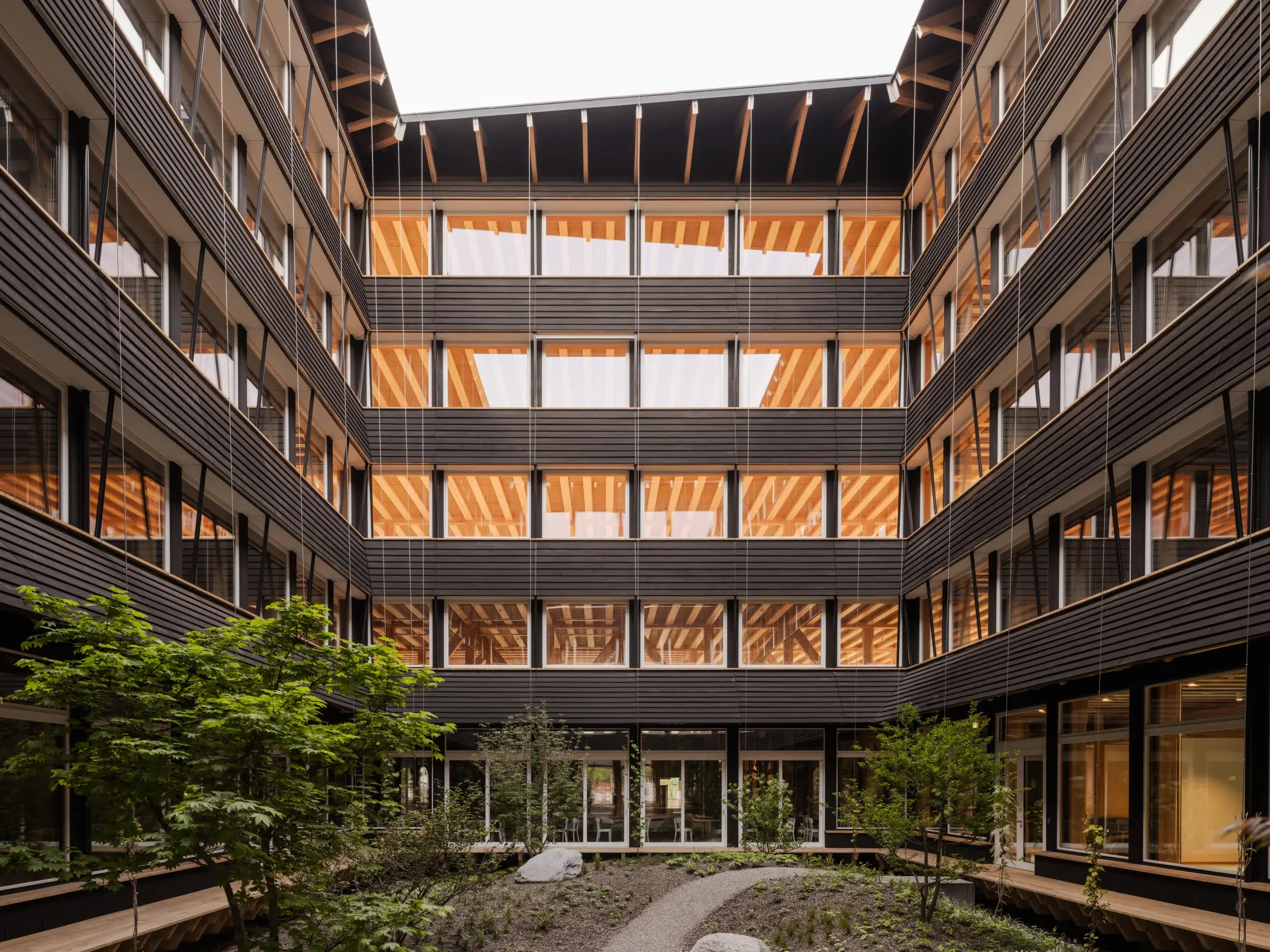
HORTUS office building in Allschwil – exterior view with PV façade

© Photo: TEC21 15/2025 / Herzog & de Meuron

HORTUS is part of the Switzerland Innovation Park Basel Area Main Campus in Allschwil and sets new standards for sustainable building. Developed by Senn, Herzog & de Meuron and ZPF Ingenieure – an office building that will have paid back its embodied energy in about 30 years and from then on operates as fully energy-positive.

231,402
kg CO₂ stored
86 %
renewable materials

An office building that gives more than it takes

The roughly 10,000 m² HORTUS office building – House of Research, Technology, Utopia and Sustainability – is part of the Switzerland Innovation Park Basel Area Main Campus in Allschwil. Over its life cycle, HORTUS will pay back its embodied energy in about 30 years and from then on operate as fully energy-positive. The construction is shaped by a mix of high-quality natural materials: the timber and clay structure with a planted courtyard creates a unique sense of comfort.
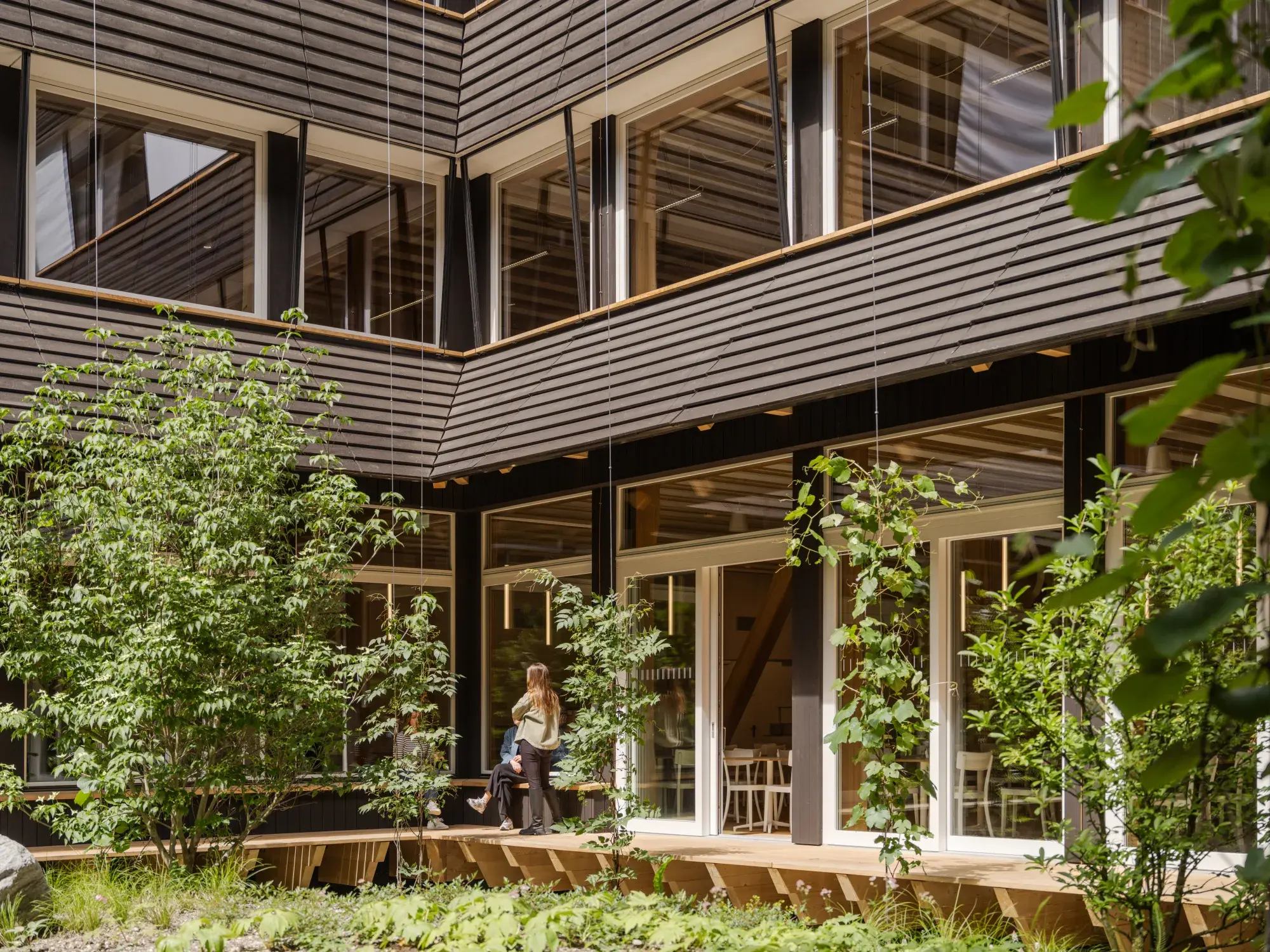
HORTUS Allschwil – façade detail with integrated PV elements

Architectural concept

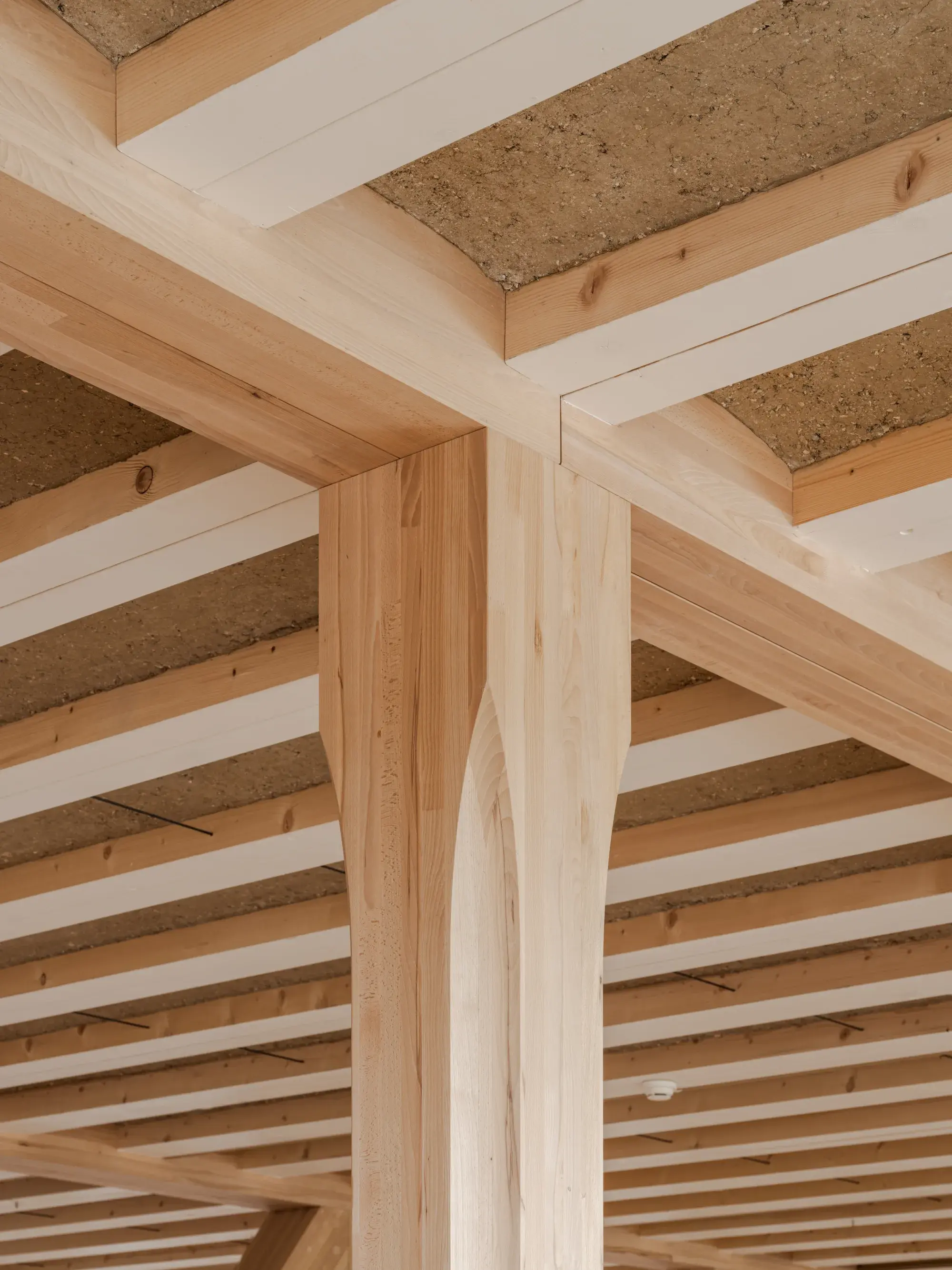
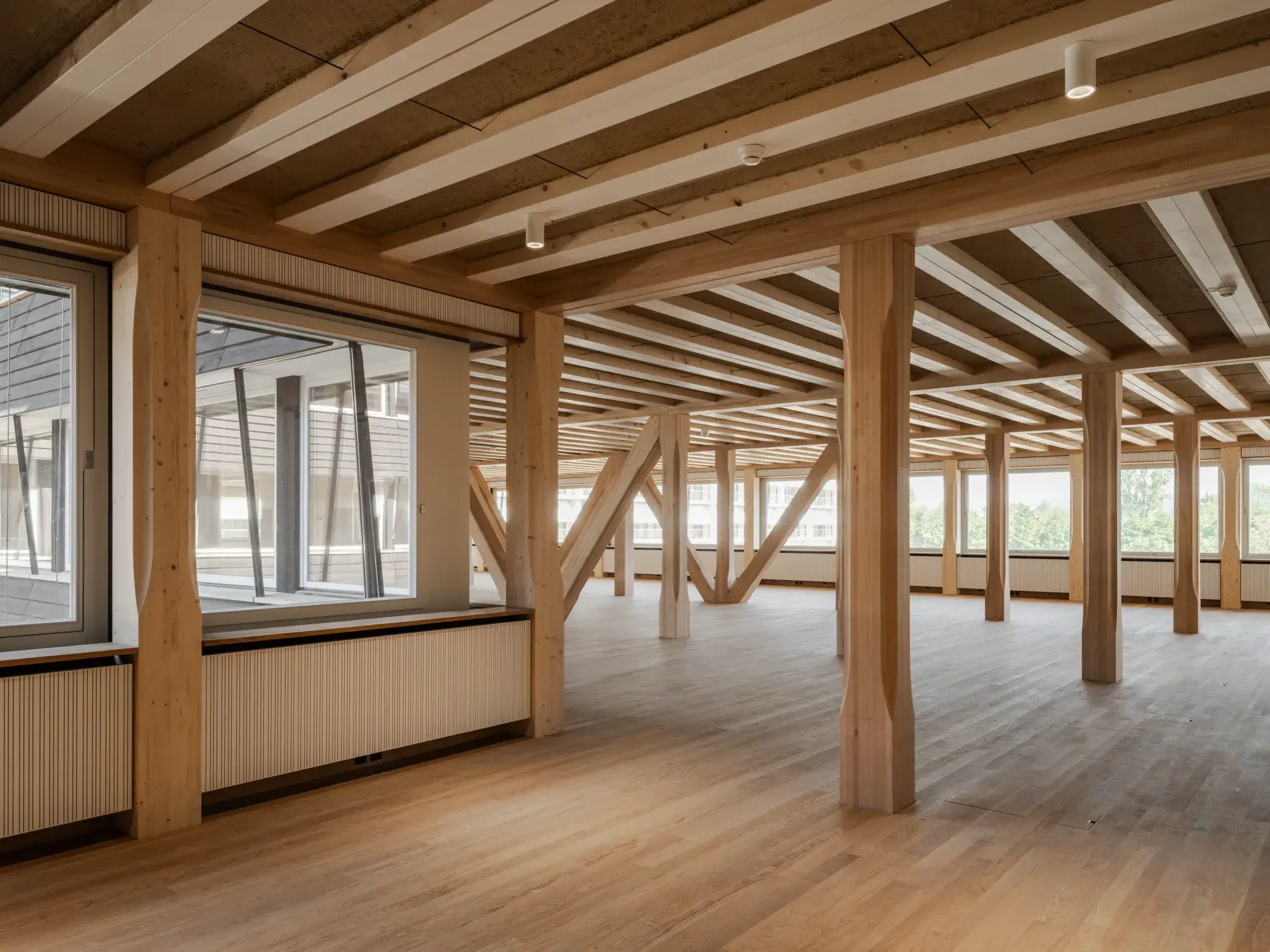
The building is based on an open column grid with an exposed timber load-bearing structure and timber-clay slabs. The architecture has been developed rigorously from the requirements of climate-friendly building. Defining features include the visible timber columns, the dark façade with integrated PV elements and the planted inner courtyard.

HORTUS Allschwil – interior with exposed timber load-bearing structure

Construction and insulation

Timber construction with innovative timber-clay slab elements and regenerative materials. The focus was on thermal mass, circularity and the lowest possible CO₂ footprint. The project follows a low-tech strategy with minimal building services – isofloc cellulose is part of this consistently bio-based material concept.

HORTUS Allschwil – timber-clay slab in detail

Challenges and sustainability

Particular attention was paid to reducing CO₂ emissions, integrating renewable materials and developing new timber-clay components. The building is designed to have a minimal energy demand over its life cycle and to serve as a forward-looking example of sustainable building.

HORTUS Allschwil – office floor with open column grid
HORTUS Allschwil – planted inner courtyard
„Hortus shows that this is what the future could look like: solid timber, earth – and still design."