

Skip to content
+41 71 313 91 00

One insulation – every building-physics property thought through as a system.

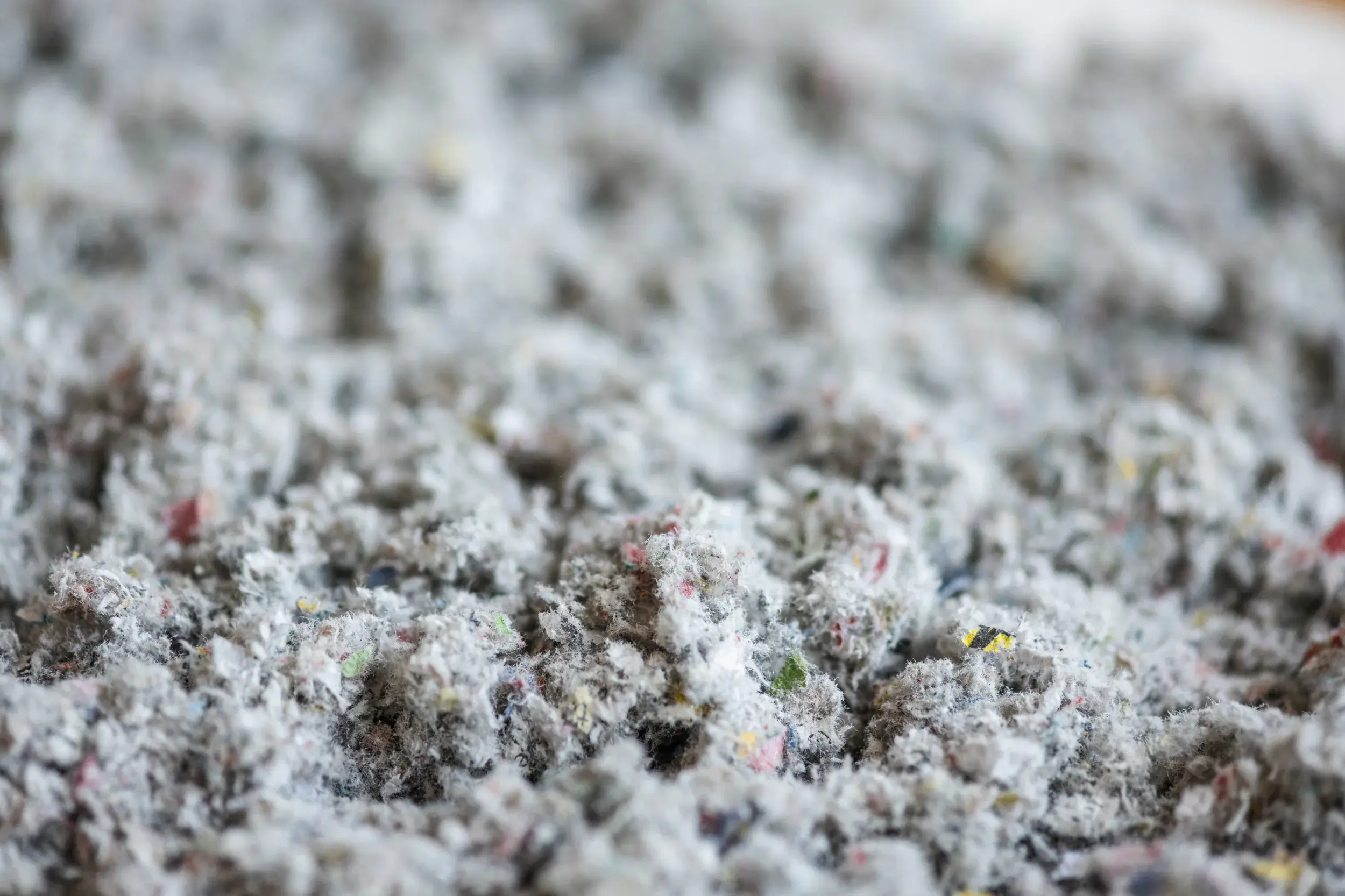
Close-up of isofloc cellulose insulation — recycled paper fibres as sustainable insulant

Quality you can verify

isofloc stands for certified insulation systems with clearly defined performance values — compliant with Minergie and Minergie-ECO, tested in our own lab and by independent institutes.

What's decisive is the overall system: standardised blowing technique, clear application guidelines and trained contractors ensure reproducible quality — from planning to delivery.

  • ecoBasis certification
  • eco-1 rating
  • Made in Swiss
  • FSC certification
  • natureplus quality mark

The insulation and its properties.

  • Real insulation performance in the assembly — from classic residential to net-zero buildings.

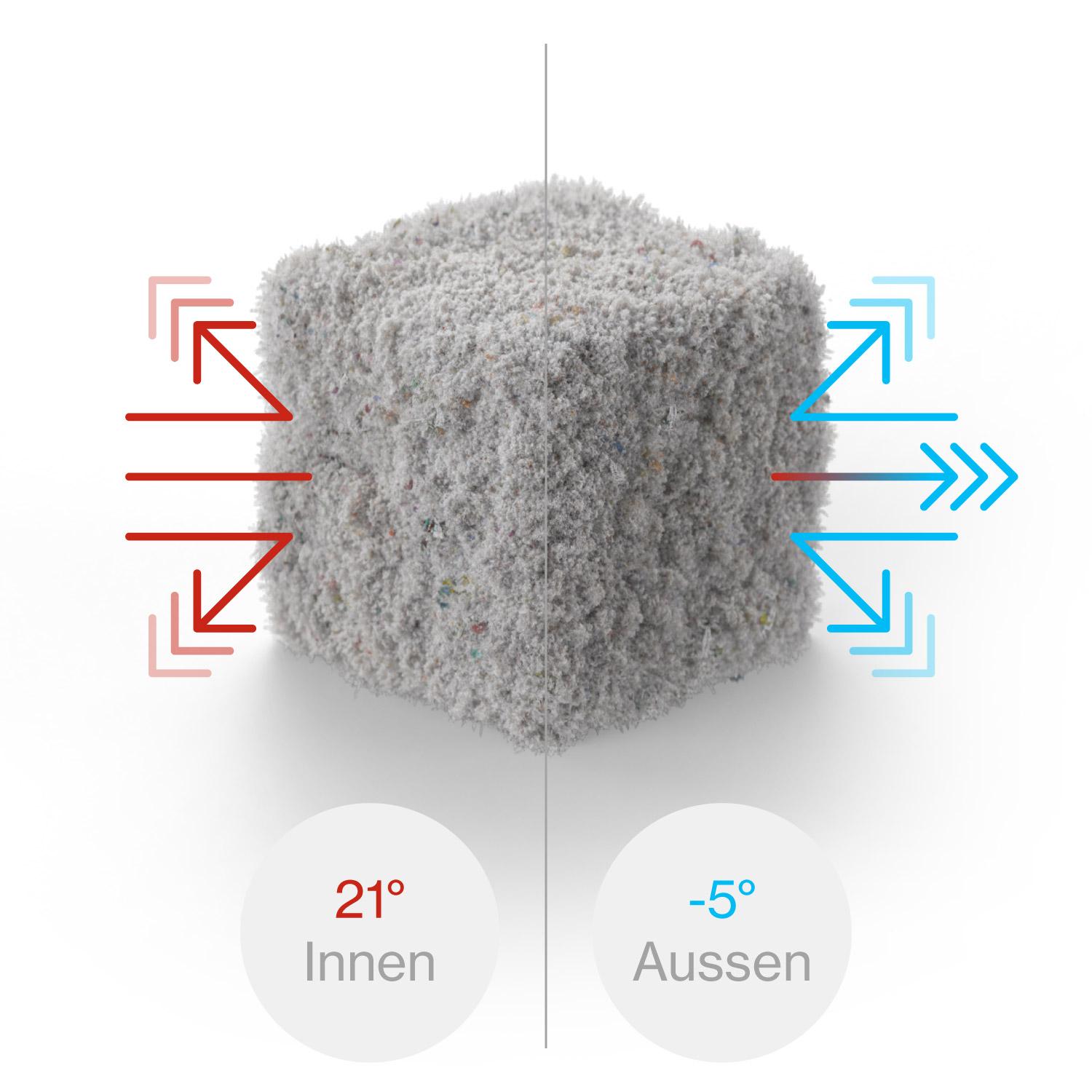
    The thermal insulation of an assembly is often described via thermal conductivity. What truly matters, however, is the real performance once installed. Alongside pure heat conduction, convection within the insulation layer plays a central role. Even minor leaks or voids can cause air movement that significantly reduces effective insulation performance.

    isofloc is blown into the assembly as a loose-fill insulation, completely and at a defined density. This creates a homogeneous, convection-free insulation layer in which heat transfer occurs almost exclusively through heat conduction. Uninsulated areas and uncontrolled air flows are minimised.

    The snug-fit, joint-free application ensures consistently high insulation quality — regardless of assembly geometry, construction or climatic conditions.

    Thanks to its outstanding thermal insulation properties, isofloc is suitable for a wide range of applications and building standards — from classic residential to net-zero buildings.

  • Summer heat protection through thermal inertia.

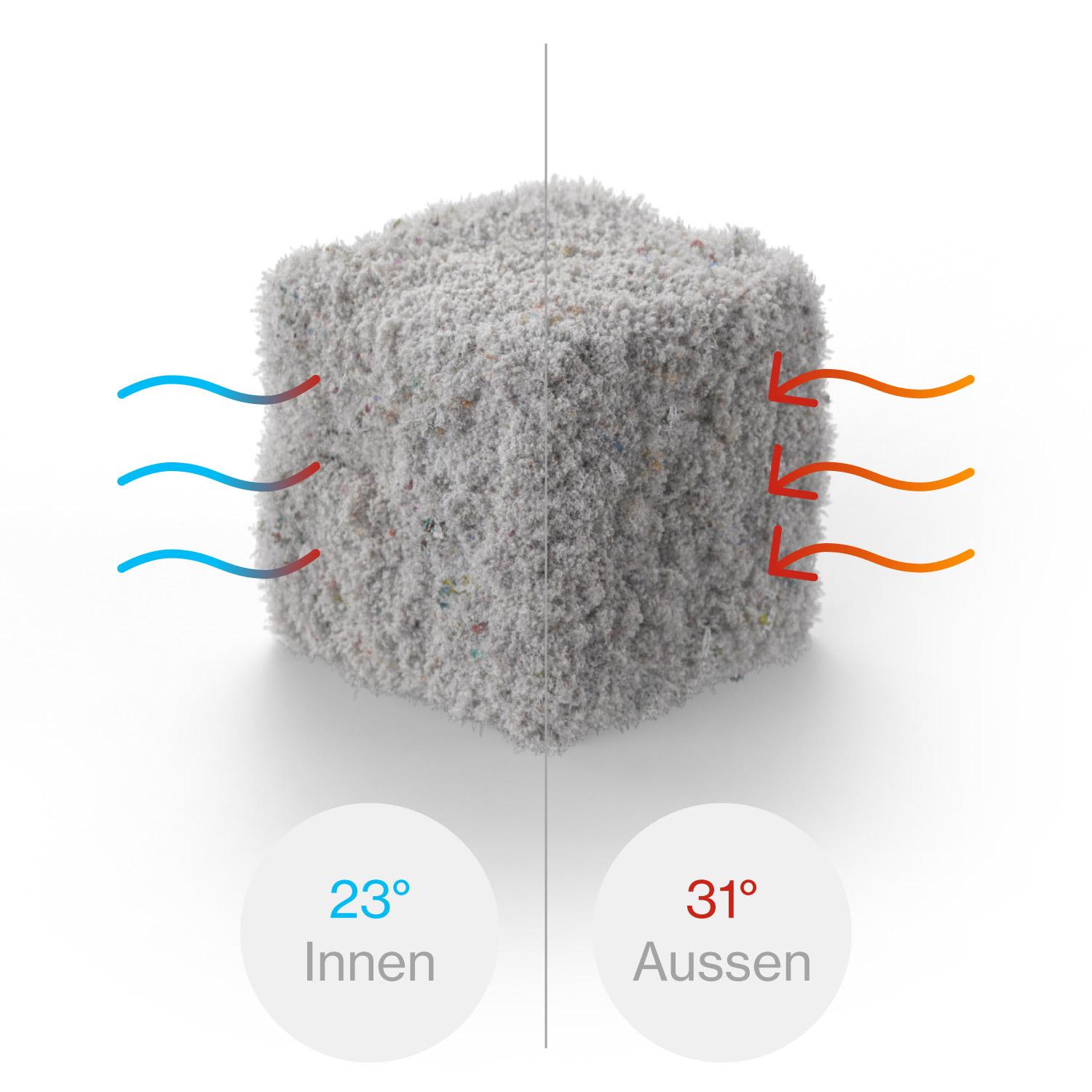
    Summer heat protection is an unsteady process governed by a material's thermal diffusivity. isofloc has a high volumetric heat storage capacity and can absorb and release heat with a time delay. This creates a phase shift in heat ingress, reducing temperature peaks and shifting them into the night. In timber construction in particular, the insulation thus takes on the additional function of thermal storage.

    isofloc thus enables passive summer heat protection without additional technology.

  • Moisture regulation as a central element of building physics.

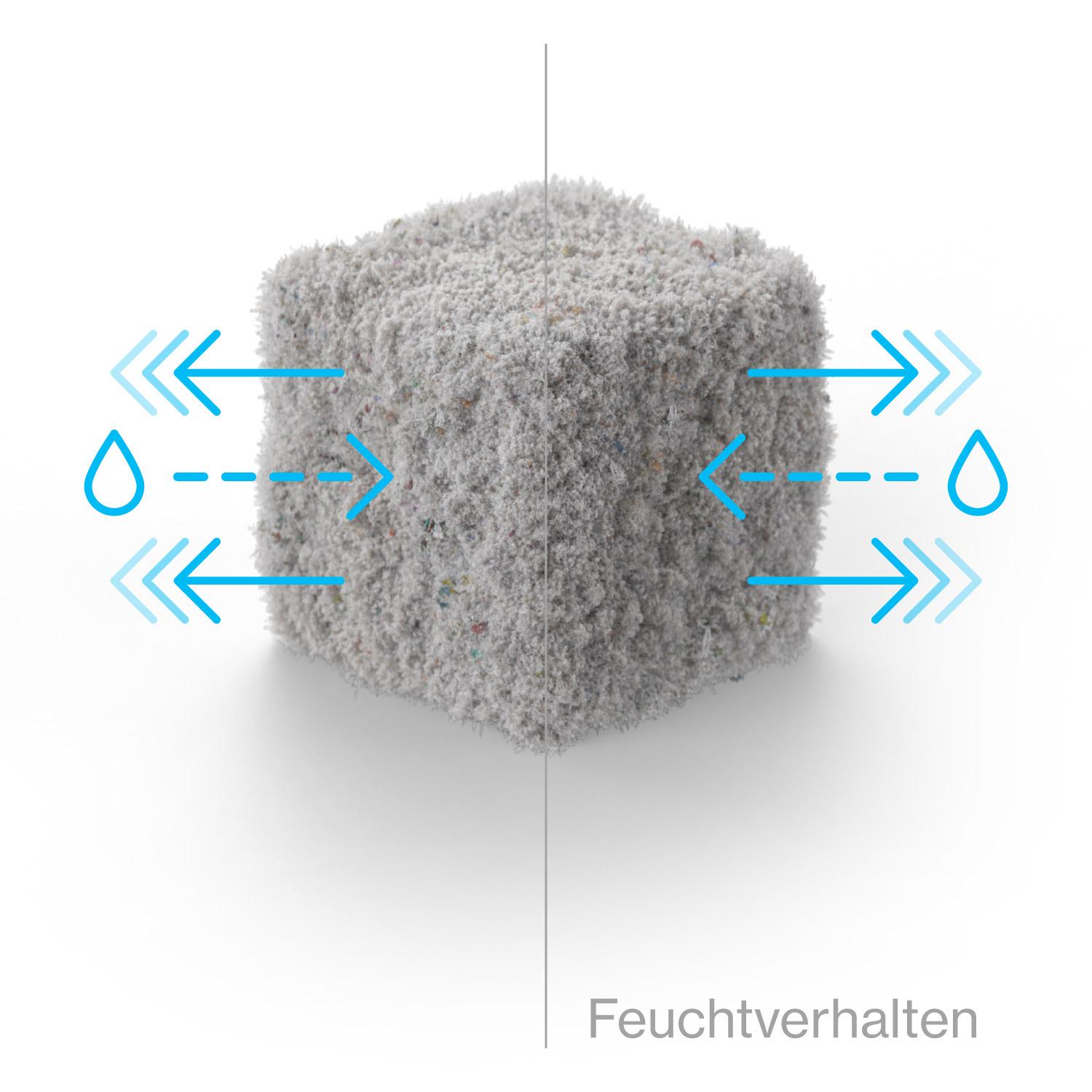
    Moisture is an integral part of every construction and must be understood as a dynamic process. Transport occurs via diffusion, convection and capillary processes, with convection being the dominant damage mechanism. isofloc actively manages moisture. As a hygroscopic insulant, cellulose has marked sorption properties, allowing it to absorb and temporarily store moisture.

    In addition, the structure allows moisture to be redistributed within the construction, reducing local moisture peaks.

    Under real conditions, evaporation often exceeds condensation, provided the construction is able to dry out.

    isofloc thus ensures a hygrothermally stable and fault-tolerant construction.

  • Controlling airflow as the basis of well-functioning constructions.

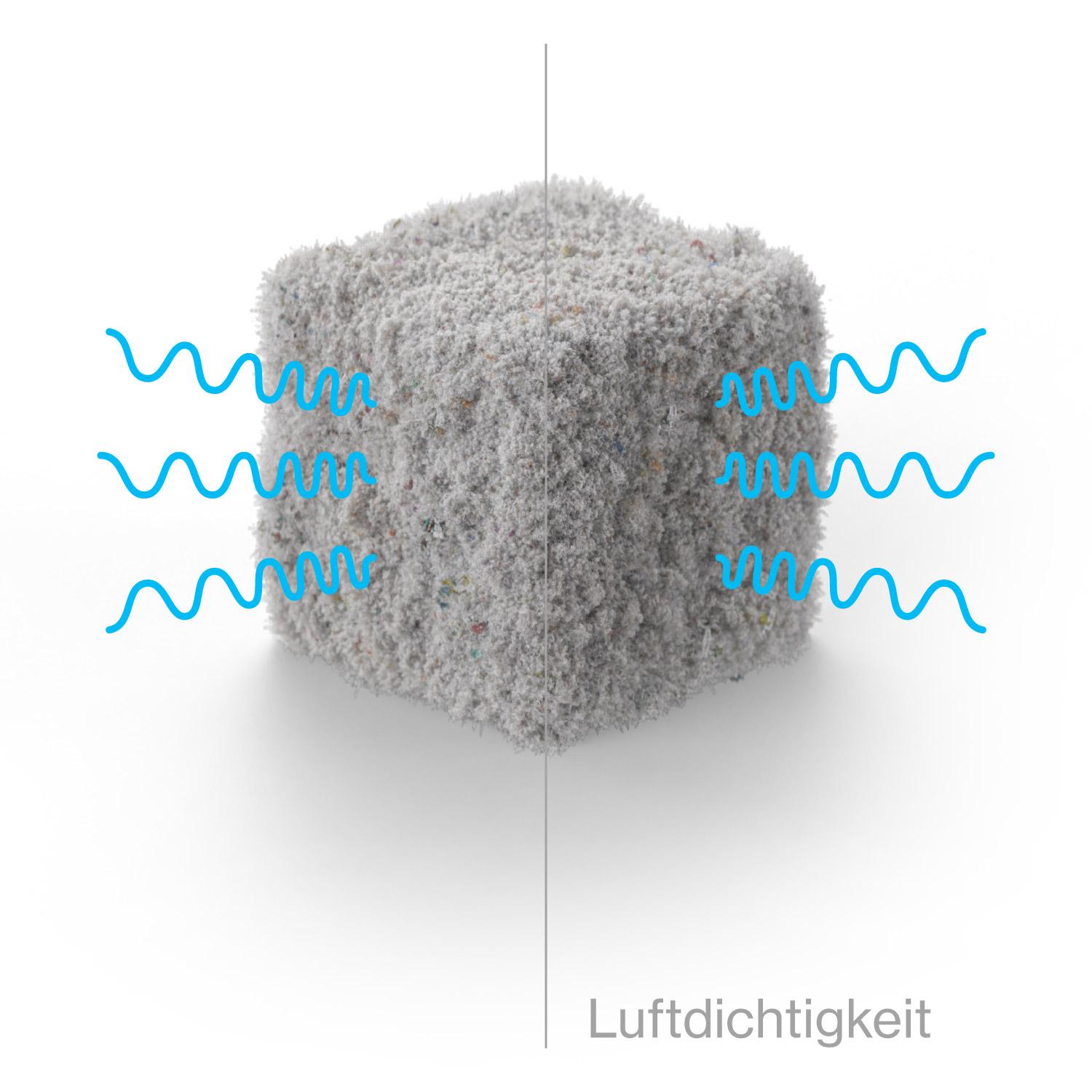
    Airtightness is central to every building envelope. Convective moisture transport is many times greater than diffusion and is the principal cause of damage.

    isofloc does not replace the airtightness layer but improves the system's behaviour through complete cavity filling and high flow resistance.

    This reduces internal air movement and stabilises the construction's performance.

    isofloc thus increases robustness against execution errors and contributes to a durable, secure building envelope.

  • System behaviour with active extension.

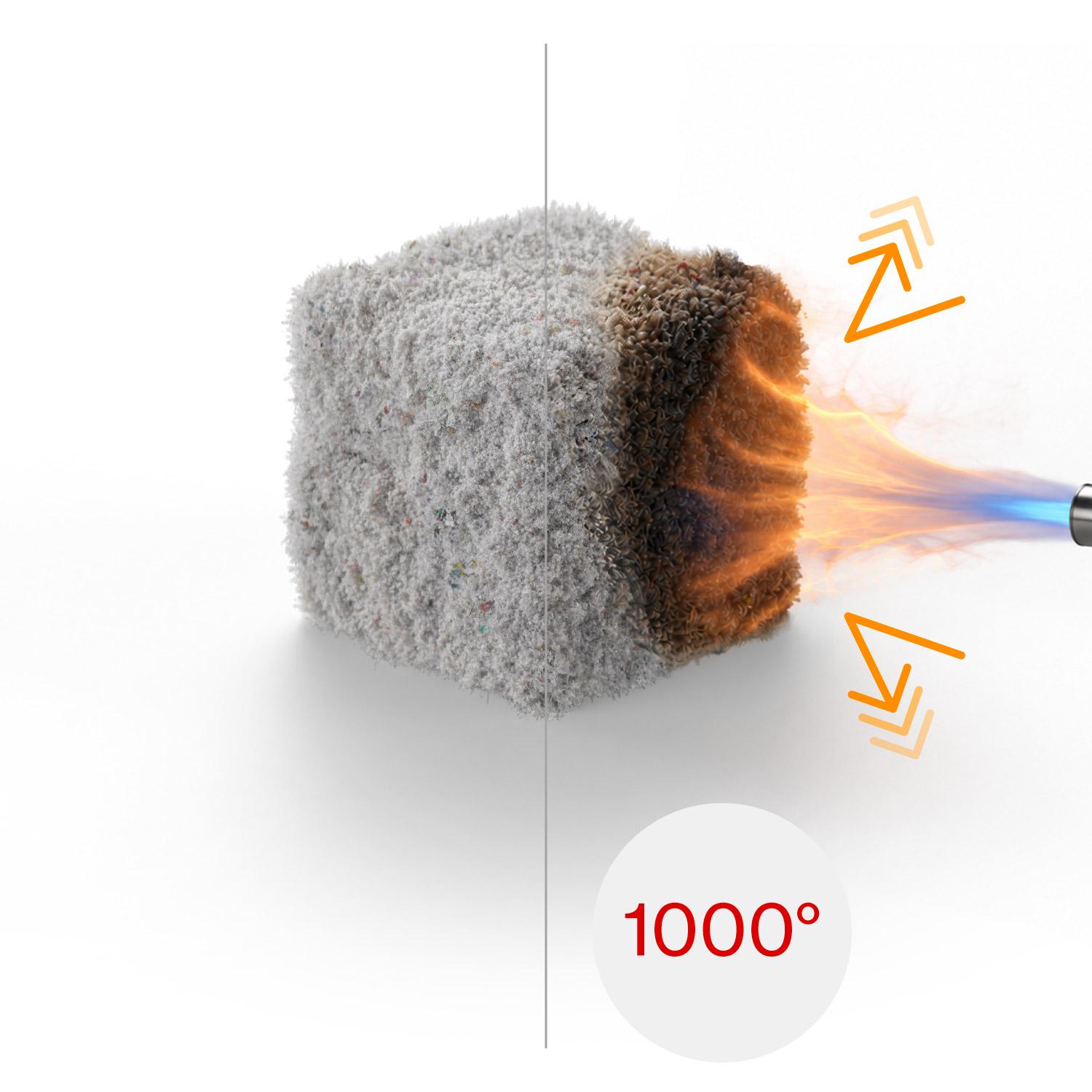
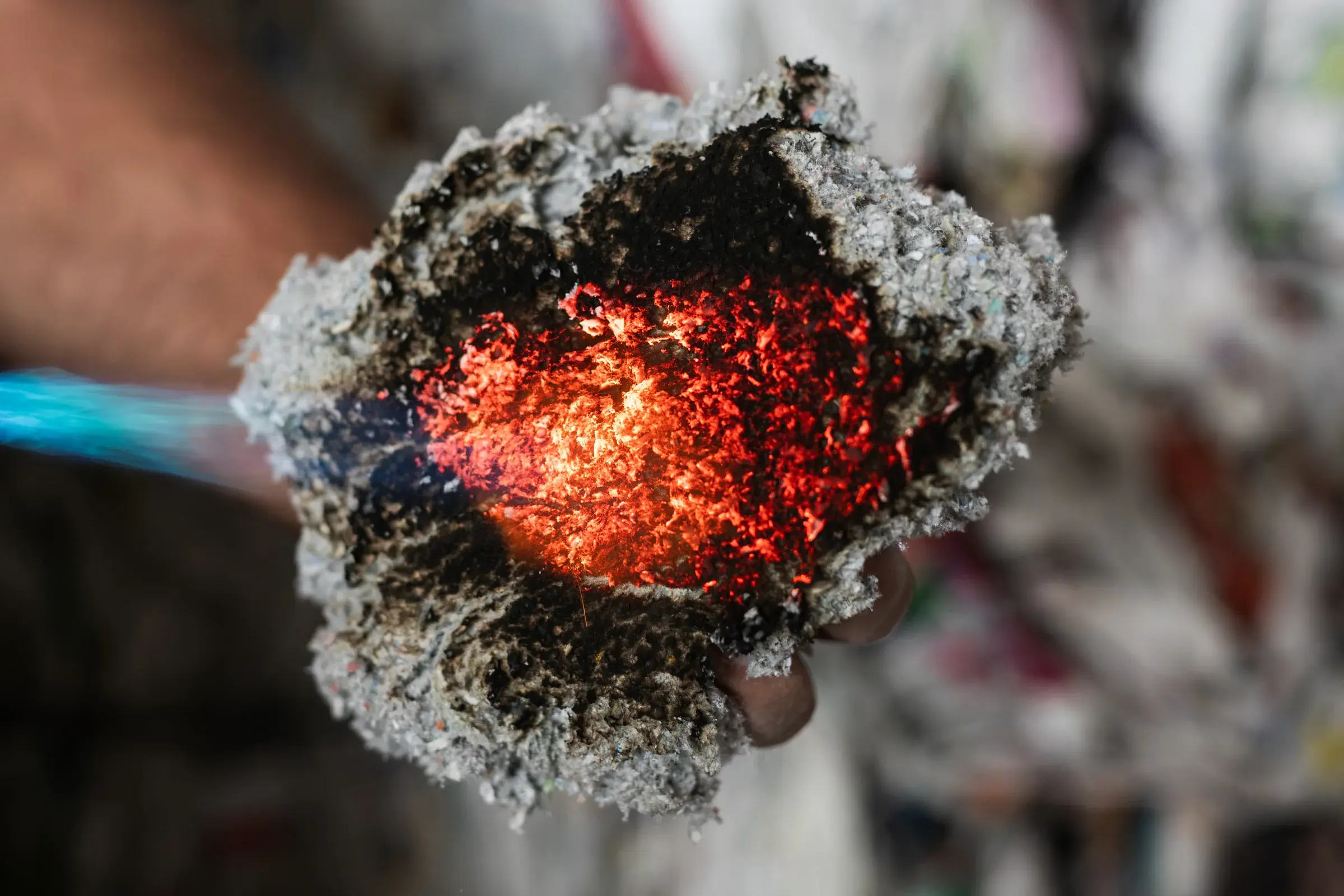
    In a fire, isofloc behaves typically of cellulose: pyrolysis and charring form a protective layer.

    This layer reduces heat ingress and prevents oxygen supply. Unlike other materials, no voids, no dripping and no uncontrolled failure occur.

    With easyfloc Protect, the insulation itself becomes an active part of fire protection, achieving proven fire-protection effectiveness in the assembly.

    isofloc thus evolves into a functional fire-protection solution in timber construction.

  • Absorption as the key in lightweight construction.

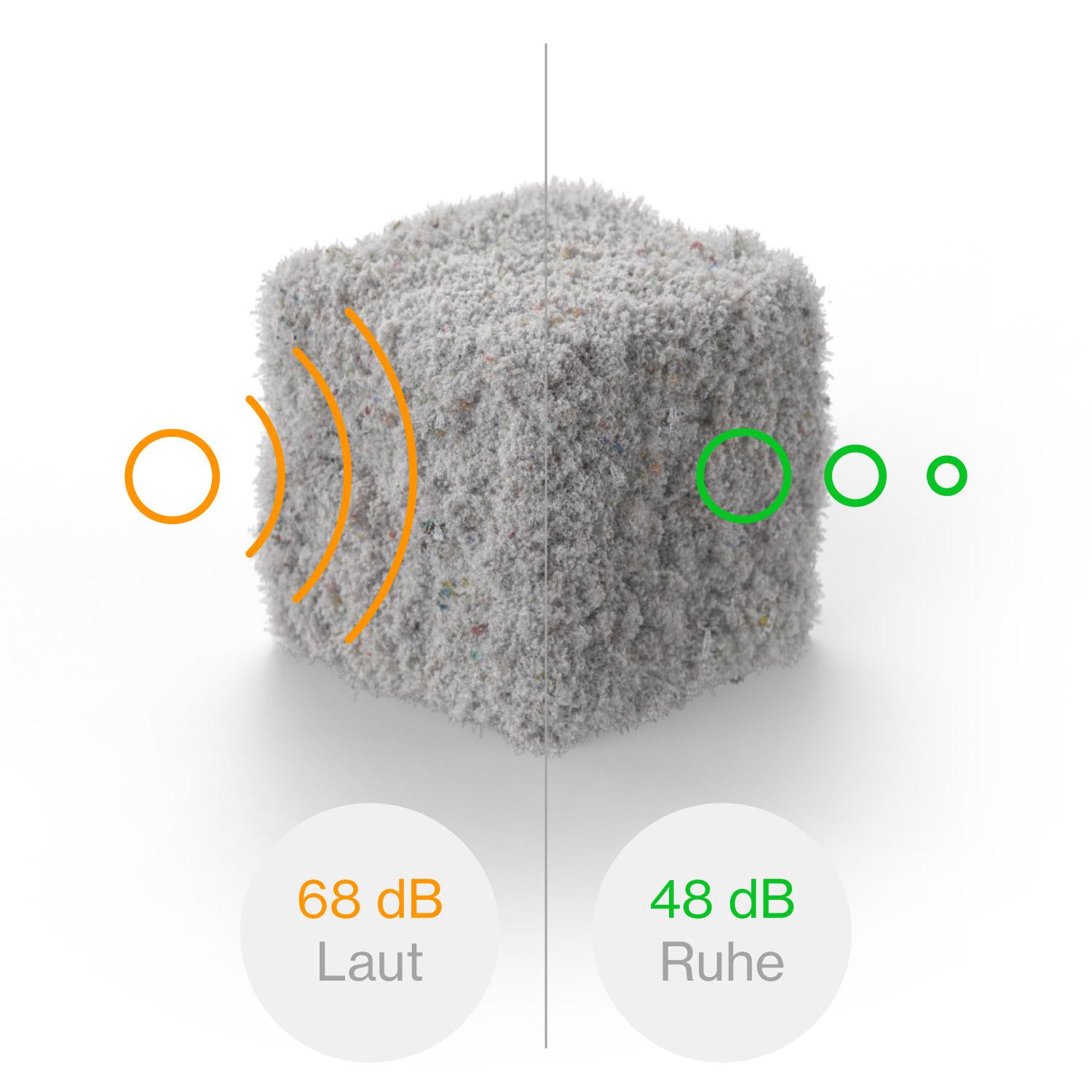
    isofloc acts as a porous absorber, reducing sound energy by converting it into heat.

    The complete and uniform application creates a uniform acoustic effect throughout the cavity, avoiding resonances.

    isofloc thus contributes substantially to acoustic quality in timber-frame constructions.

  • Material cycle and indoor air quality.

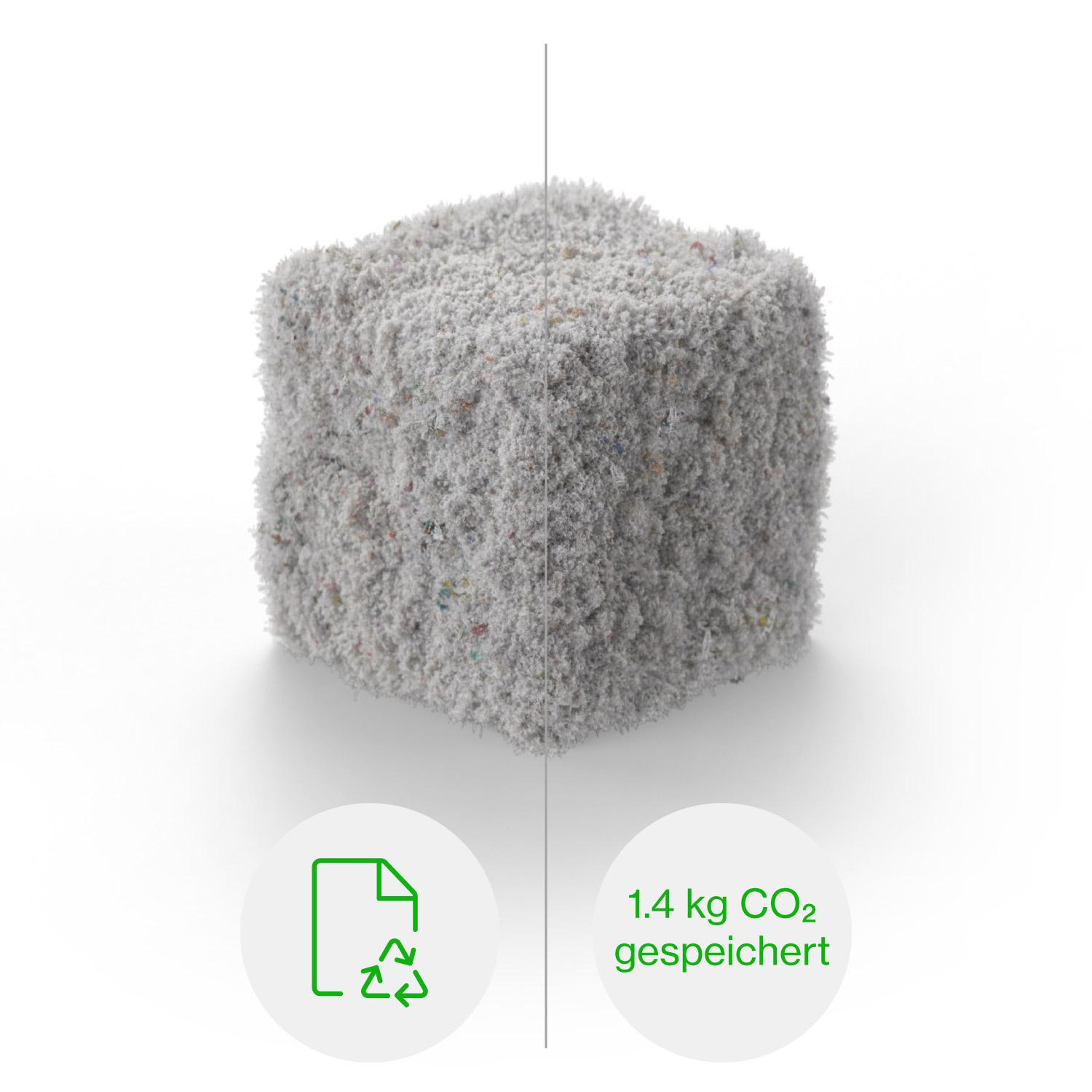
    isofloc is based on recycled cellulose fibres and uses an existing material cycle. Energy input in production is low.

    Studies show that no significant indoor fibre load arises and the application is harmless to health.

    isofloc thus combines ecological responsibility with technical performance.

  • Insulation as an active part of the climate strategy.

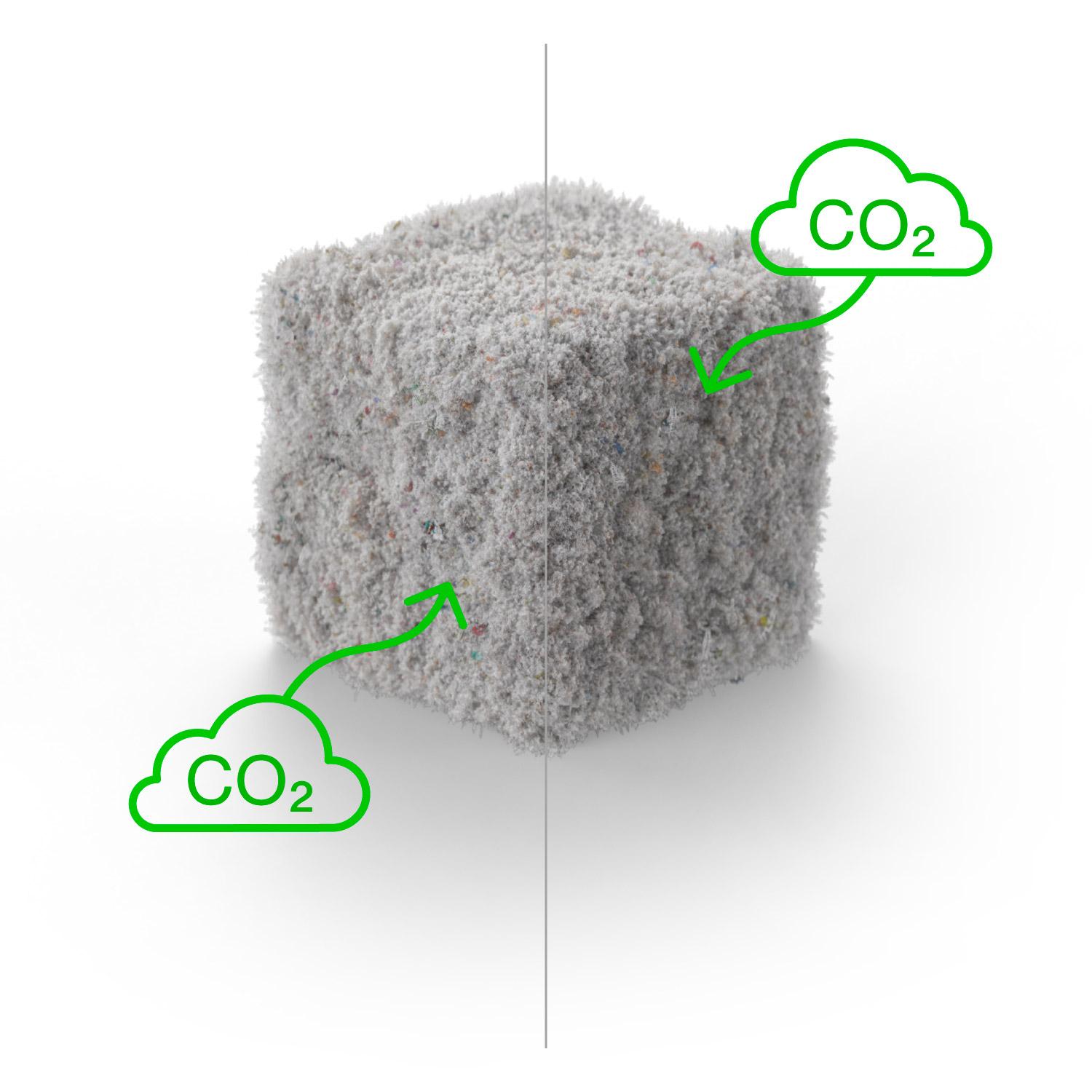
    isofloc binds CO₂ throughout the building's service life and acts as a carbon sink.

    Thanks to its biogenic origin, the insulation achieves up to around 80 % accountability, making a substantial contribution to the CO₂ balance.

    isofloc thus becomes an active building block for climate-effective construction.

The insulants.

Full flexibility for any project.

Planning documents & BIM data
Close-up of isofloc LM cellulose insulation with ecoBasis certification

isofloc LM cellulose insulation

The proven standard for new builds and renovation – reliable, economical and flexibly integrated into a wide range of constructions. With the ecobau classification ecoBasis, isofloc LM meets the demands of modern, high-performance building envelopes and is suitable for sustainable construction projects without exclusion criteria under Minergie-ECO. This cellulose insulation combines resource-friendly raw materials with high building-physics performance, providing an economical solution for wall, roof and ceiling assemblies.

Close-up of isofloc eco cellulose insulation with eco-1 rating

isofloc eco cellulose insulation

Developed for projects with the highest demands on building ecology, health and sustainability. With the ecobau classification eco1, isofloc eco is the ideal choice for projects to Minergie-ECO and for 1st-priority applications under ecoBKP/ecoDevis. Alongside its strong building-physics performance, isofloc eco stands out through low-emission properties, sustainable raw materials and a future-oriented solution for ecologically focused buildings up to net-zero standard.

Close-up of cellulose with a glowing spot inside — fire-protection behaviour of easyfloc protect

easyfloc protect

The first nature-based insulation with proven fire-protection effectiveness. easyfloc protect combines sustainable building with the highest safety and sets new standards in timber construction — environmental responsibility and fire protection in one.

Tree trunk with bark in the forest — wood as the raw material for cellulose

Sustainability and resources

isofloc is based on recycled cellulose fibres from paper (around 93 %) — a biogenic raw material derived from wood. The insulation thus stands for a consistent material strategy in sustainable construction.

Production has a low embodied energy. At the same time, cellulose stores the carbon bound in the wood throughout the building's service life.

The ecological quality is documented through Environmental Product Declarations (EPD) and recorded in rating systems such as the KBOB database. This provides planning and verification certainty for sustainable construction projects.

Fresh green leaves in sunlight — biogenic cycle

Climate impact and net zero

A net-zero strategy starts with the choice of building materials. isofloc actively contributes to sustainable construction in this regard.

As a biogenic insulation, cellulose stores the carbon bound in the wood throughout the building's service life, acting as a durable CO₂ sink.

At the same time, low-embodied-energy production reduces environmental impact from the very beginning. Within net-zero verifications, isofloc can be counted as a CO₂ sink — with a share of up to 80 %.

Red autumn leaves and tree canopy — material cycle returning to nature

Application and safety

The quality of insulation is created during application. isofloc stands for process-secure handling and reliable execution in timber construction.

Through seamless blow-in installation, the insulation adapts exactly to the construction and ensures uniform, settlement-resistant insulation performance throughout the assembly.

At the same time, isofloc meets the requirements for structural fire protection per Swiss and European standards and can be used compliantly in defined applications. With easyfloc Protect, a system with proven fire-protection effectiveness in the assembly is also available.

Portrait of Hermann Blumer

“Sustainable construction emerges from the interplay of material, structure and cooperation. With timber and isofloc this becomes a simple and convincing combination.”

Hermann Blumer

  • One of the world's leading timber-construction engineers

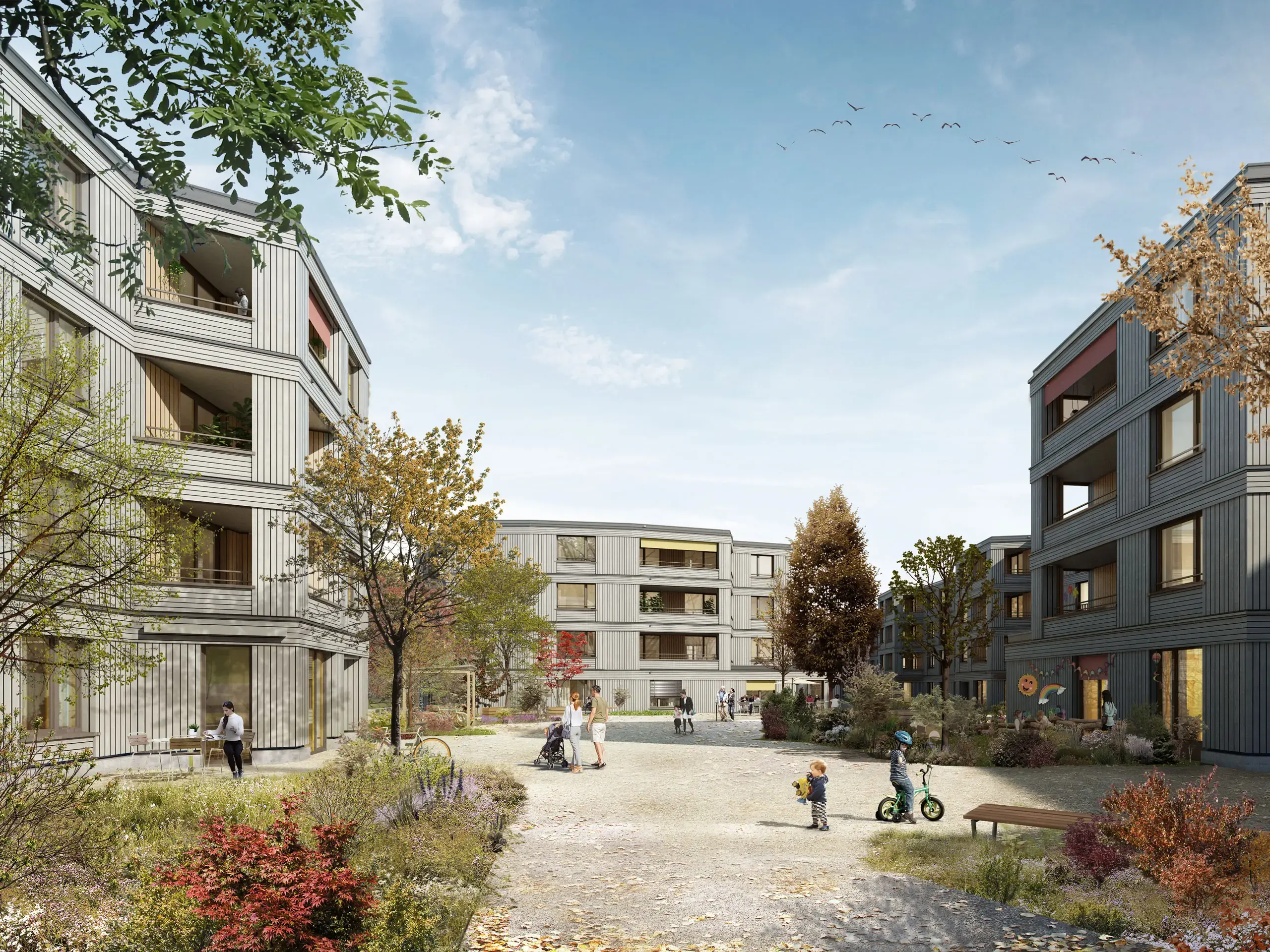
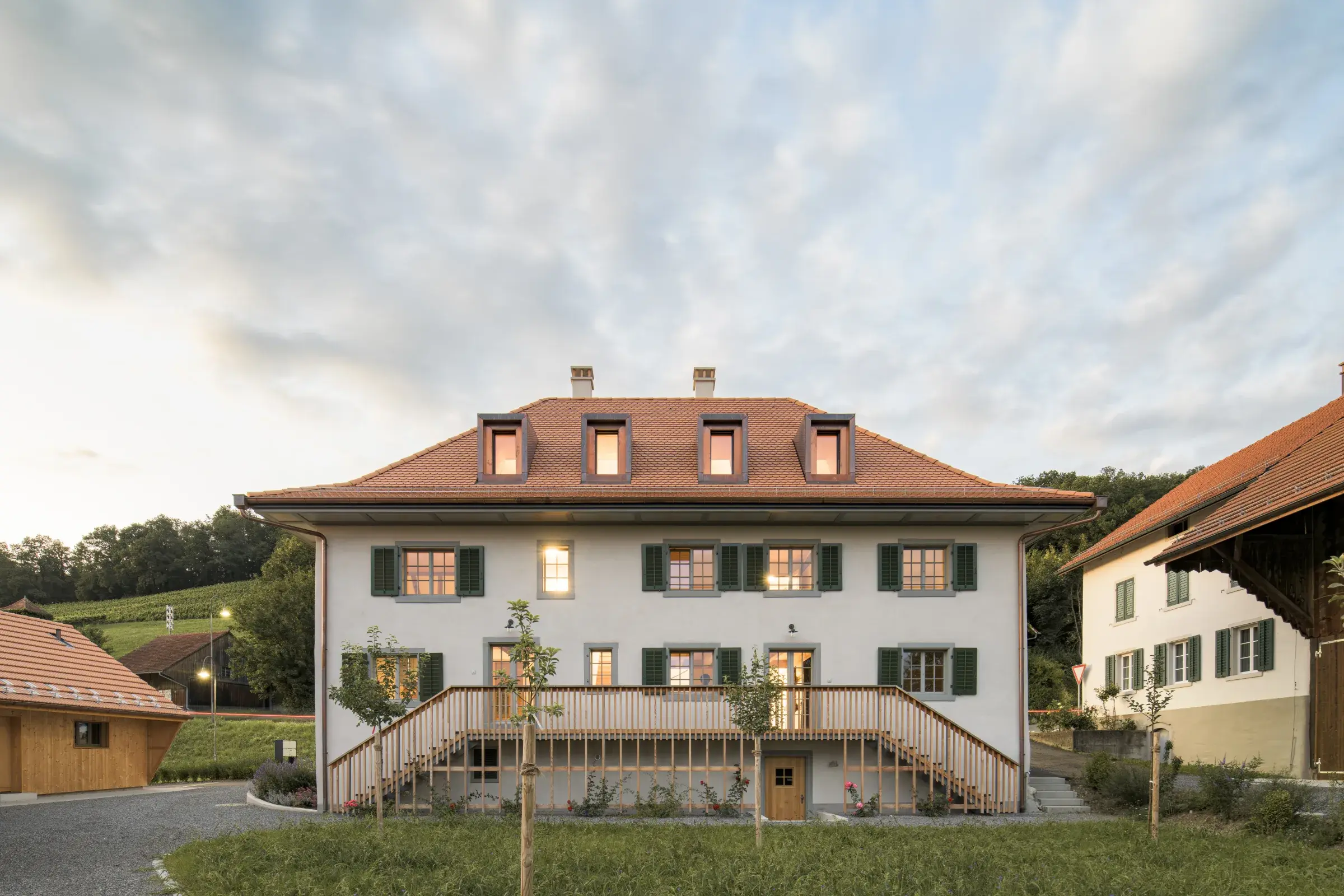
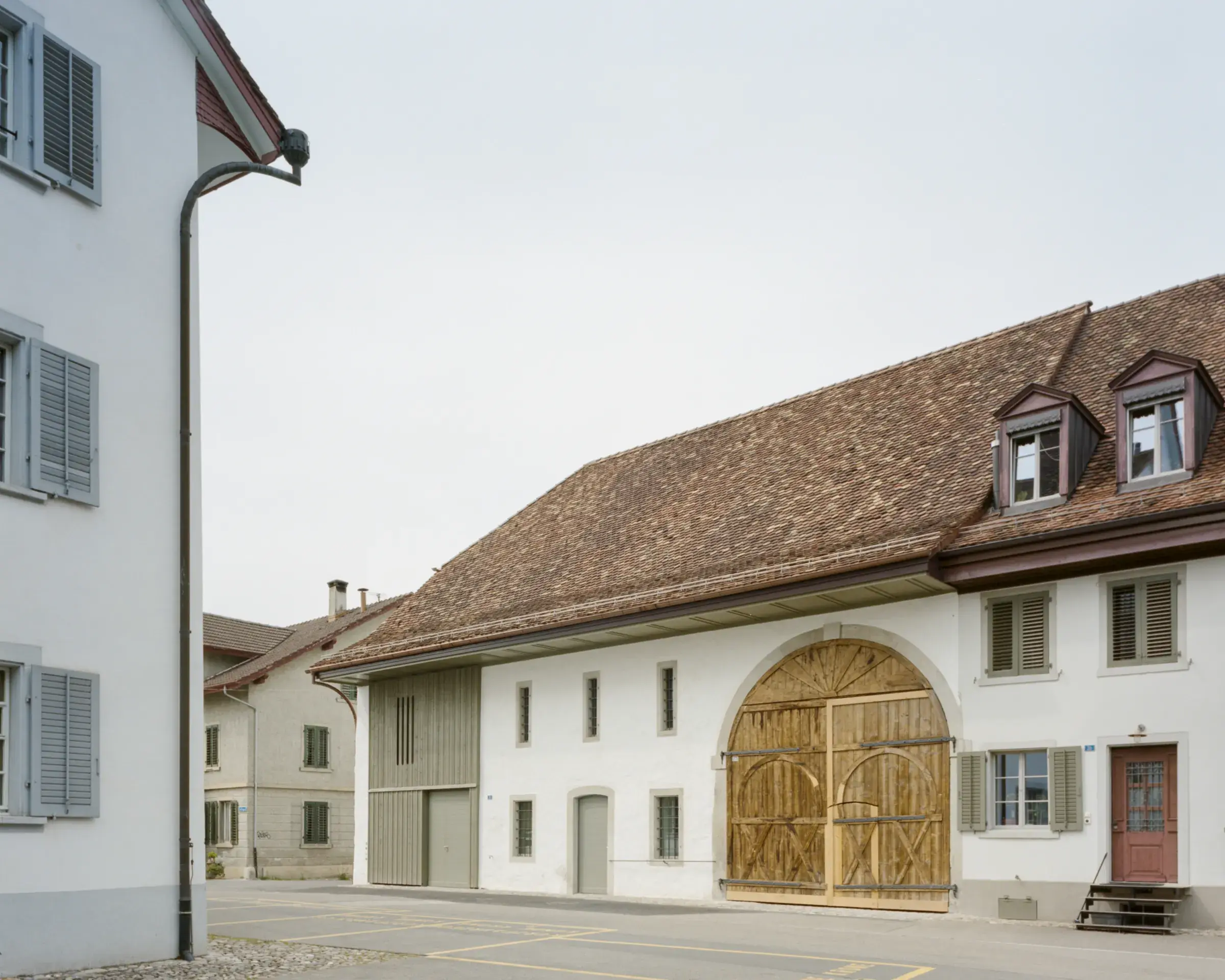
Architecture and timber-construction projects built on sustainable insulation and precise execution.

Discover selected references from new builds and renovations.

Portrait of Michel Alder, Managing Director isofloc AG

Building sustainably together

Industrial insulation, for us, means designing processes in which performance, quality and sustainability come together. That's exactly what we work on — together with our timber-construction customers.

Michel AlderManaging Director isofloc AG